NAVIGATING SHOCK AND SELF-TRUST: THE SCIENCE OF HEALING BETRAYAL TRAUMA (Episode 17)
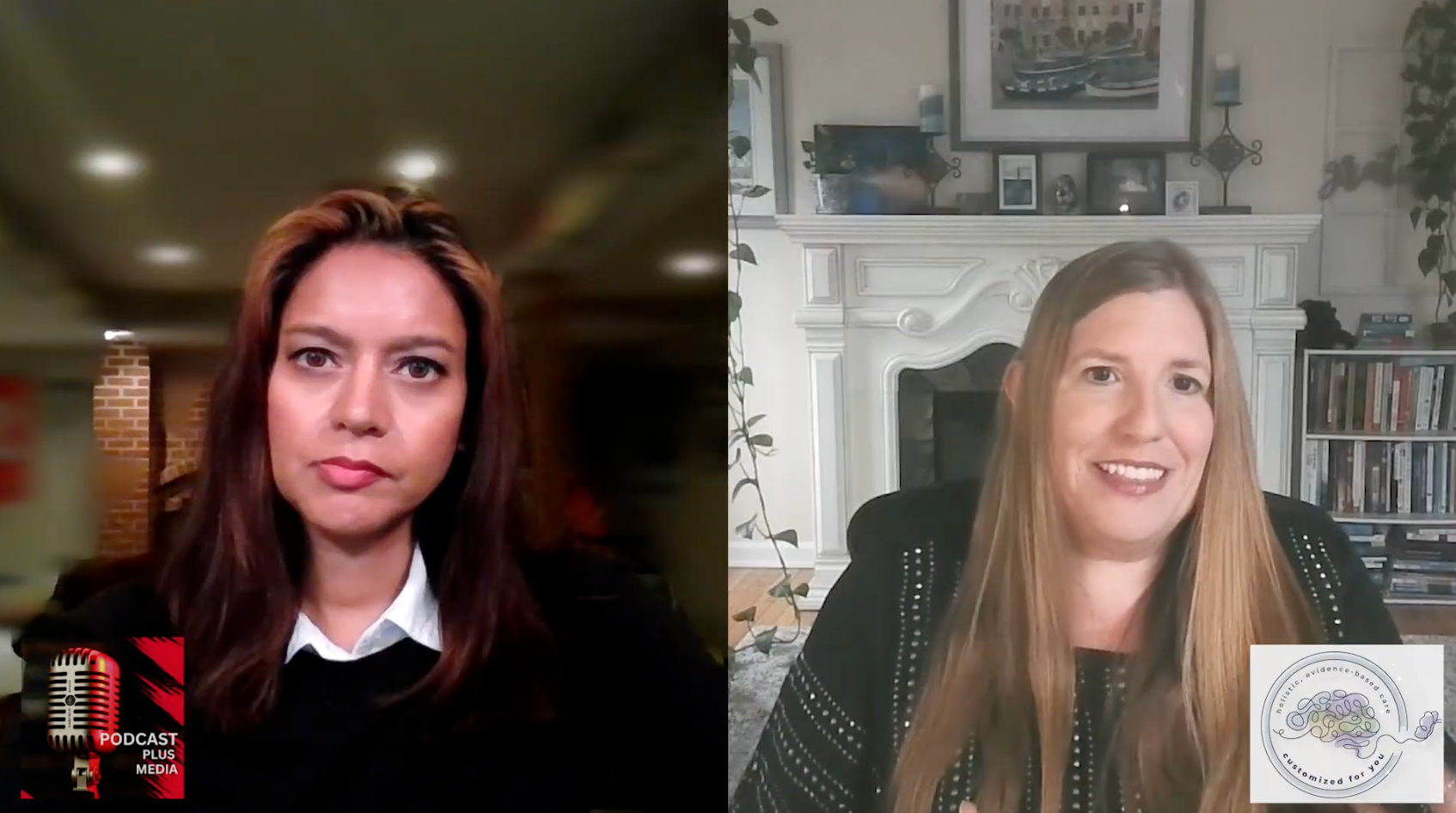
Betrayal trauma can send the nervous system into shock, disrupting sleep, focus, and the ability to trust your own perceptions. When the person who once felt like a secure base suddenly feels unsafe, the brain and body react with hypervigilance, confusion, and emotional exhaustion. These responses are not weakness—they are predictable neurobiological reactions to attachment injury. Understanding how betrayal trauma affects the brain and nervous system can help survivors begin to restore stability, rebuild self-trust, and move toward healing with clarity rather than alarm.
FROM BRAIN STUCK TO HEALING: WHY TARGETING DOPAMINE, AROUSAL, AND OCD LOOPS CHANGES RECOVERY (Episode 16)
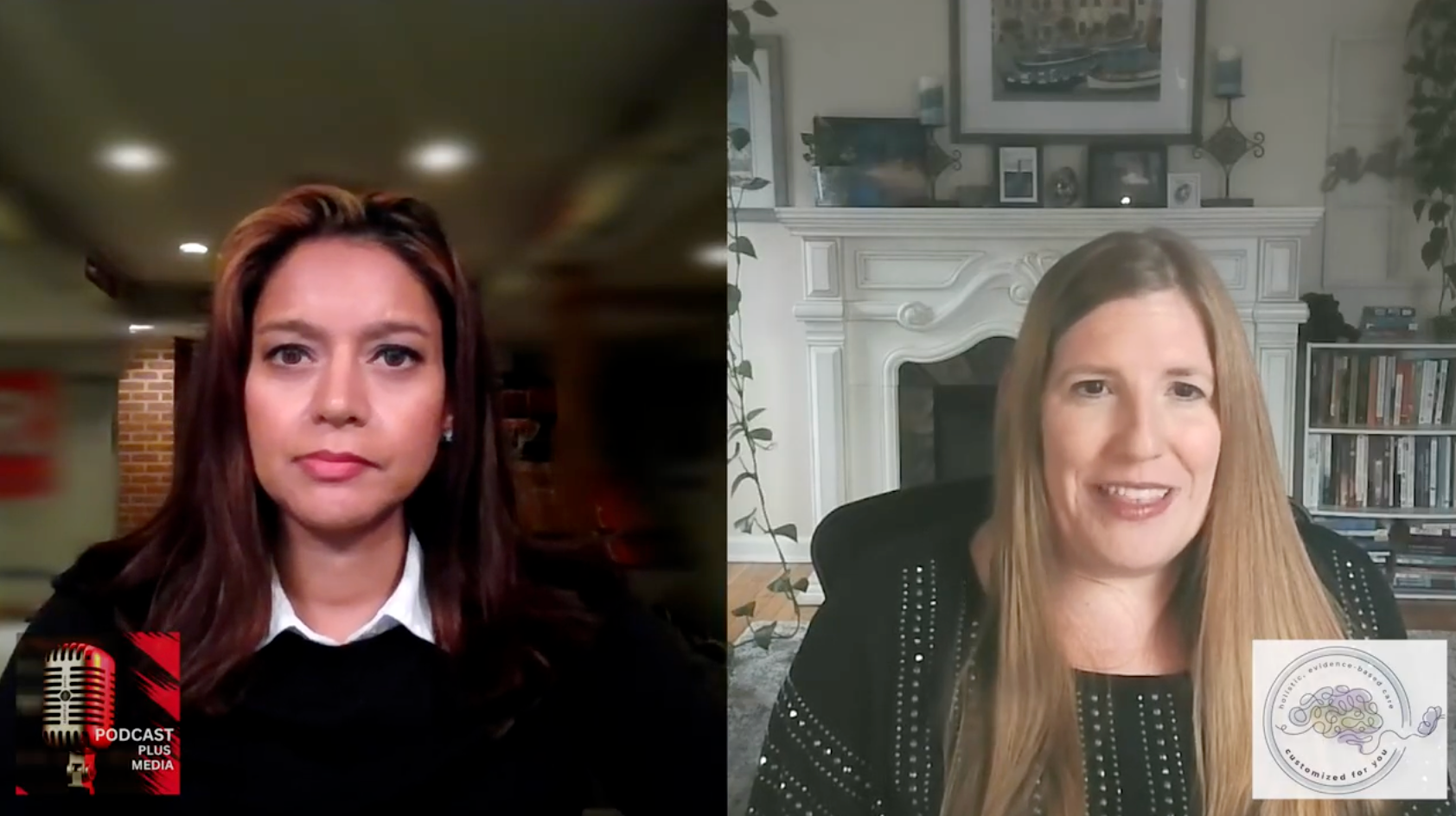
Recovery from compulsive sexual behavior often stalls where willpower ends and brain patterns begin. Many people do everything they’re told—therapy, accountability, support groups—yet still feel trapped in urges that fire faster than their values. Neurotherapy offers a brain-based approach that targets the underlying patterns driving compulsive behavior. By regulating dopamine pathways, calming chronic overarousal, and loosening rigid OCD-like loops, the brain can regain balance. As the nervous system stabilizes, cravings lose intensity, sleep improves, and the critical pause between trigger and action begins to return—creating space for real, lasting change.